Skip to main content

Non-Destructive Utility Verification
As infrastructure project managers and operations directors, you understand that the greatest risk to project continuity and worker safety lies just beneath the surface. Unforeseen utility strikes can cause major delays, repair costs, regulatory penalties, and serious safety incidents. At Legacy HydroX, we specialize in reducing that risk through non-destructive hydrovac excavation and utility verification. We provide highly accurate, non-destructive potholing (daylighting) services across Lakeland, Polk County, and the broader Central Florida region, helping you verify critical infrastructure safely and precisely.
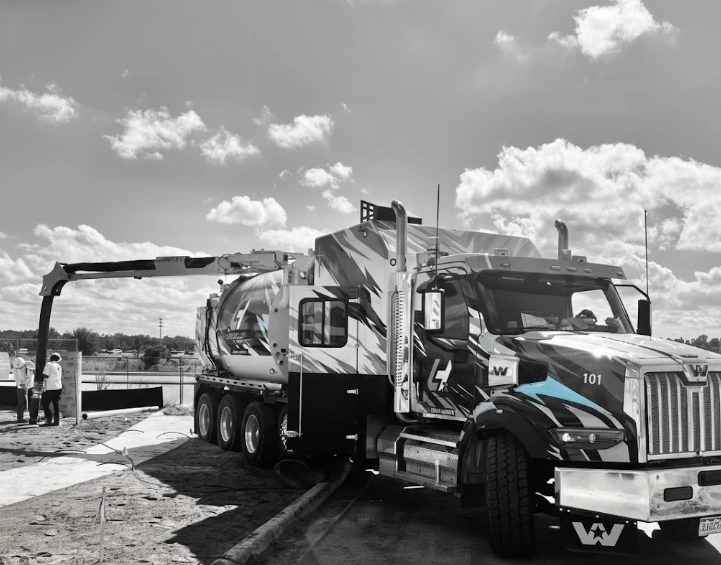
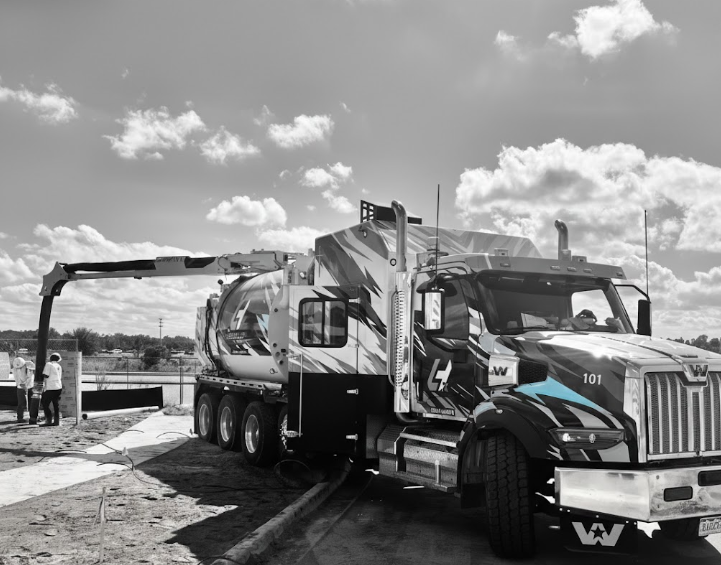
On many job sites, especially where underground utilities are close together or the risk is higher, it helps to confirm what’s below the surface before larger excavation begins. Traditional digging methods can work in some situations, but they may not be the best option when crews need more control and visibility near existing lines.
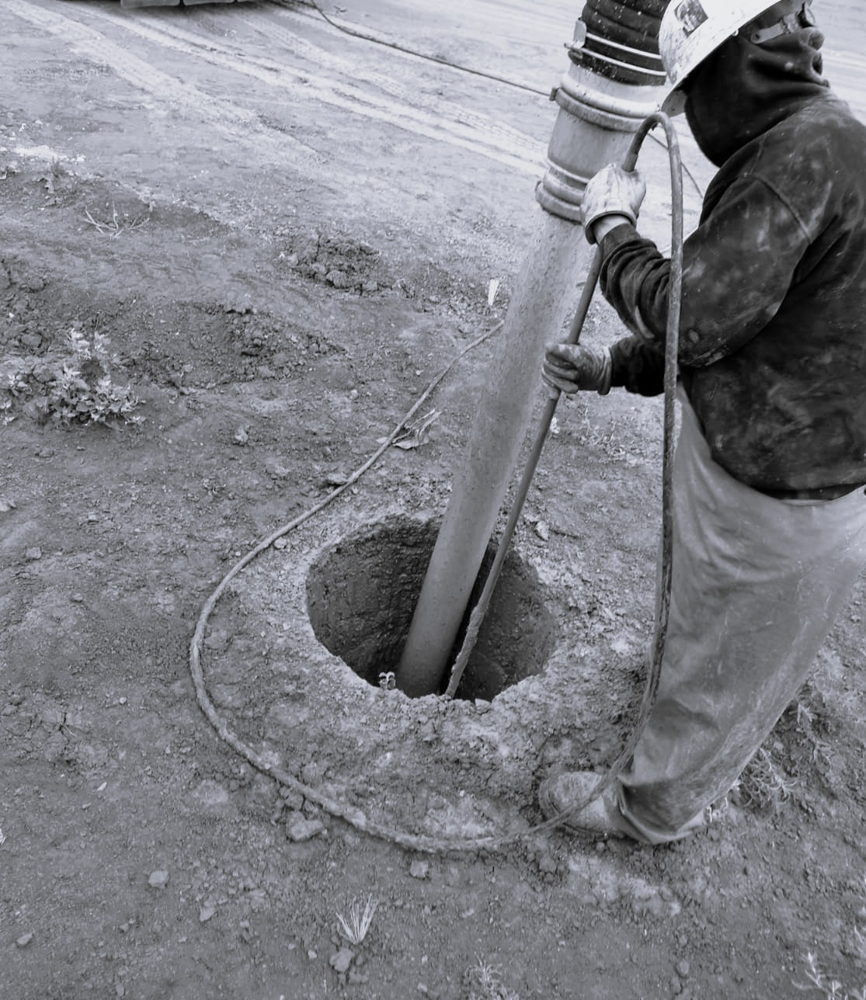
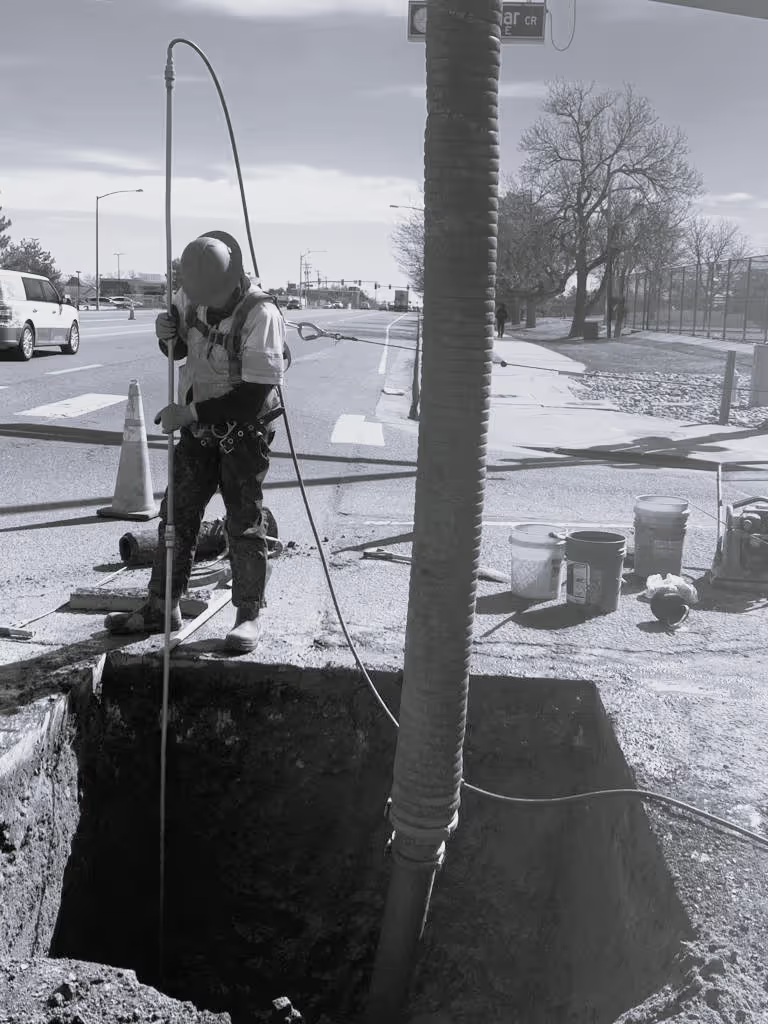
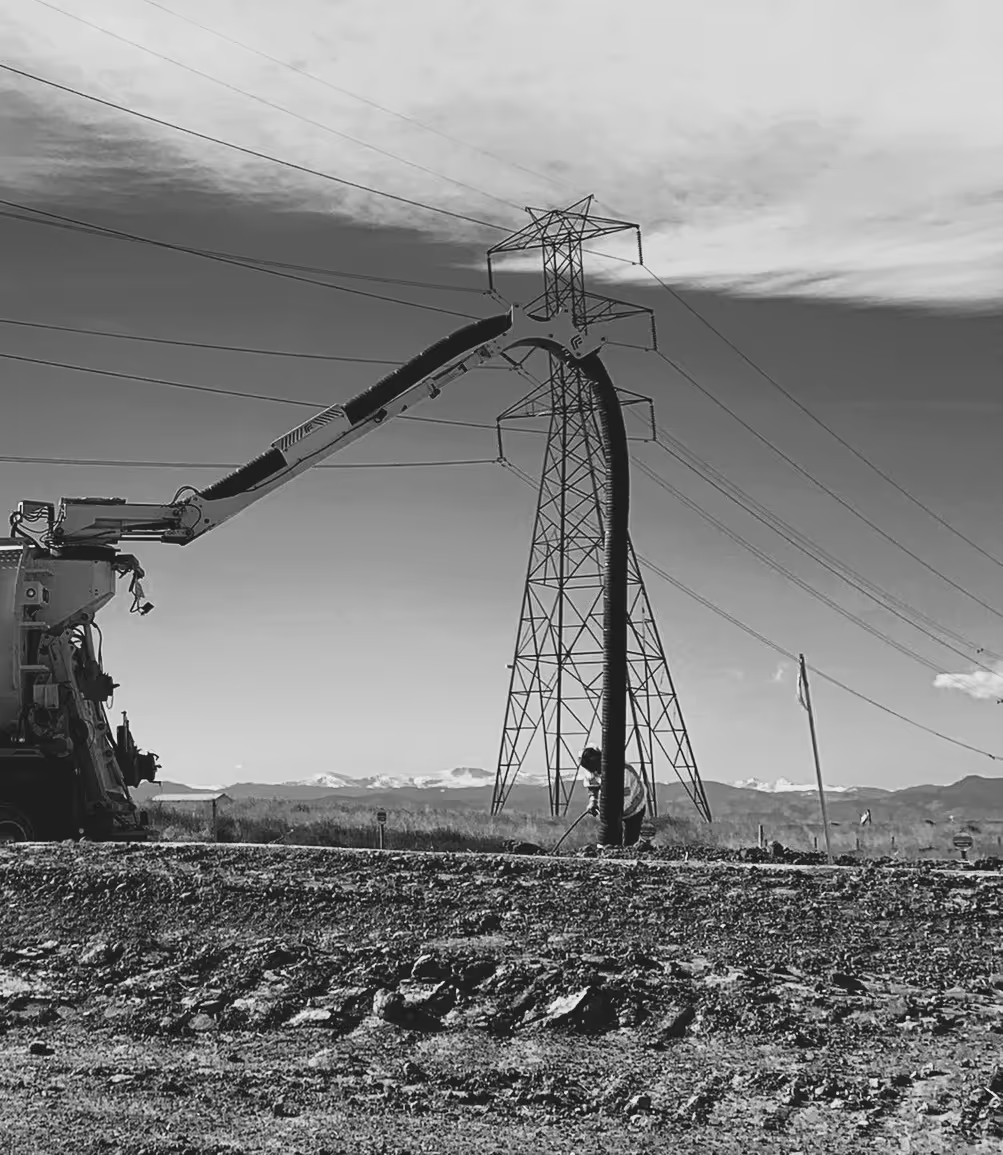
Non-destructive potholing is a way to expose a utility at a specific point so the team can verify its location before moving forward. Instead of relying only on mechanical force, hydrovac excavation uses water to loosen soil and a vacuum system to remove the material and open a clear view to the line. This approach is often used when projects require a higher level of verification and clearer documentation to support planning decisions.
On many projects, a utility strike can create problems that go beyond the immediate repair. It can slow down schedules, increase costs, interrupt service, and introduce safety concerns for crews and the surrounding area.
That’s why some teams choose to add verification before excavation begins, especially when the work is close to existing lines or the risk is higher. Potholing (daylighting) can help confirm utility location at specific points, giving project teams clearer information to plan around.
When verification is needed, Legacy HydroX can support the process with daylighting and documentation that helps teams make more informed decisions and move forward with greater confidence.
Prevents accidental utility strikes
Speeds up utility mapping and design
Required by many municipalities before excavation
Avoids project delays and fines
Helps verify utility maps and as-built drawings
Contact Legacy HydroX today to schedule a site assessment or to discuss your upcoming infrastructure verification needs. Our 24/7 emergency response team is always ready and you can call us at (863) 591-4793 when you need a time-critical industrial or municipal response.